
Urban Planning and Community Development Foundations
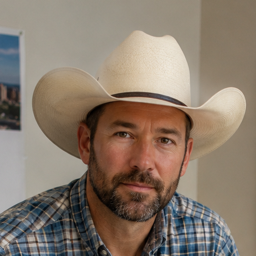 Curated and verified byJonathan Clark, Urban Planner
Every neighborhood you live in is shaped by planning decisions — some made decades ago, some made last year. Zoning decides what gets built where. Public investment decides whether there's a park or a highway. Community engagement (or its absence) decides who benefits and who gets displaced. And most people, including many professionals who shape their communities, have no idea how these decisions actually work or how to influence them. If you work in local government, community development, real estate, or neighborhood advocacy, you probably bump into planning without fully understanding the machinery underneath. You'll hear talk about "upzoning," "inclusionary housing," "form-based codes," "participatory budgeting," "gentrification" — frameworks that sound important but remain fuzzy if you haven't seen them applied. This course teaches how urban planning actually works. You'll learn the tools that shape where people live and how they move — zoning, comprehensive plans, transportation, housing policy, parks — and how to use or resist them. You'll understand the planning process, from law to development review to community engagement. Most importantly, you'll see that planning is not neutral: it reflects power, values, and choices about who benefits from growth and who bears its costs. The course is grounded in real practice, not theory. You'll study actual zoning codes, real community engagement methods, documented gentrification cases, and working examples of equity tools (community land trusts, participatory budgeting, community benefits agreements). You'll see what planning can accomplish — shape neighborhoods toward walkability, affordability, and community strength — and where it hits hard limits (it can't force housing production or eliminate poverty alone). You'll come away able to read a planning proposal and ask smart questions: What incentives does this create? Who benefits? What voices are missing from this process? What trade-offs are we accepting? Whether you're a planner, a developer, a community leader, or a concerned resident, that clarity is the beginning of power.
Lessons
About the course creator
Jonathan works at the scale between a single parcel and an entire metropolitan region. He has rewritten zoning standards, mapped housing and transit needs through GIS, evaluated development applications, and prepared long-range plans that reconcile population growth with infrastructure and environmental limits. Much of his role involves translating demographic forecasts, traffic models, site drawings, and regulatory requirements into choices that residents, developers, elected officials, and public agencies can meaningfully debate. Whether facilitating a contentious neighborhood workshop or coordinating engineers and architects on a redevelopment district, Jonathan keeps the focus on a practical outcome: communities that function better and plans that governments can realistically carry out.
Reviews (12)
- cozy_rabbit
内容太简单了,没学到新东西。
- quirky_hiker
great stuff
- sturdy_painter
nice
- wistful_starling
loved it
- fabled_pilgrim
super useful